
How Much Does It Cost to Employ an Apprentice?
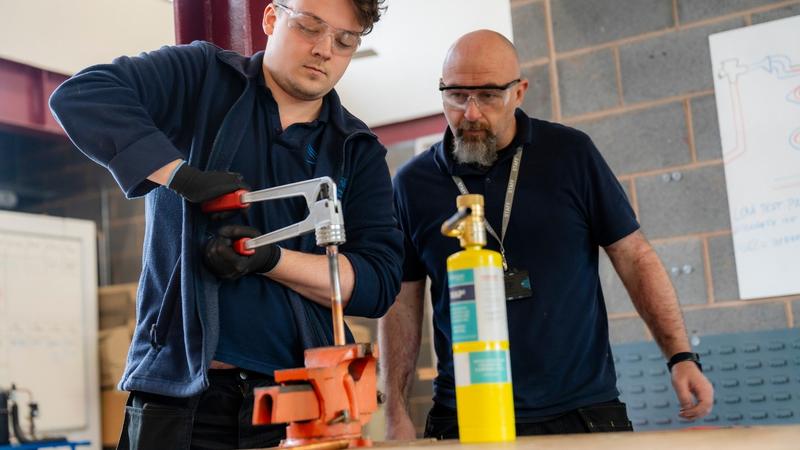
Recruiting apprentices can be very beneficial for companies.
In fact, they provide talent tailored to your needs, increased productivity and many more apprenticeship benefits for your company.
However, apprentices aren’t free.
There are some costs associated with employing an apprentice in the UK, but how much does it cost to take on an apprentice?
We often receive questions related to the cost of hiring an apprentice, so we have decided to summarise the apprentice costs to employers in this article.
Let’s take a look.
How much does it cost to hire an apprentice?
When you hire an apprentice, there are typically two types of costs that need to be covered.
The cost of an apprentice may vary depending on several factors that we will discuss in greater detail.
The costs of employing an apprentice are:
-
Recruitment costs
-
Apprentice wages
-
Training and assessment costs
Apprentice Recruitment Costs
It’s free for employers to list an apprenticeship on the National Apprenticeship Service website and via Total People’s Connect service.
Recruitment costs apply to employers listing their apprenticeship vacancy on job sites or with recruitment agencies.
Once hired, apprentice wages must be paid for by the company, while training costs will come out of the funds in the Apprenticeship Service Account.
Apprentice Wages
As with anybody working for your company, you need to pay the wages of your apprentices.
These wages are not paid by the government, but as a business, you need to provide these wages yourself.
These wages should cover all the hours they work (including the 20% and are determined by their age and how much of their training they have completed.
The Apprentice rate sits at £7.55 per hour and applies to:
-
Apprentices younger than 19 years of age
-
Apprentices 19 years of age or older and in the first year of their apprenticeship
Apprentices that are 19 years or older and have completed the first year of their apprenticeship are entitled to earn the minimum wage for their age.
The minimum wage for each age bracket is:
-
Under 18 years: £7.55 per hour
-
18 – 20 years: £10 per hour
-
21 and over: £12.21 per hour
However, you should be aware that the rates change April 1st of every year.
Read more: Apprenticeship Wages: How Much Do Apprentices Get Paid?
2026 Apprentice Wages
In 2026, changes are happening to apprenticeship wages. The Apprentice rate will increase to £8 per hour, an increase of £0.45 per hour.
The minimum wages will increase as follows:
-
Under 18 years: £8.00 per hour – an increase of £0.45 per hour
-
18 – 20 years: £10.85 per hour – an increase of £0.85 per hour
-
21 and over: £ 12.71 per hour – an increase of £50 per hour.
Apprentice training and assessment costs
The amount of money your company pays for the training of your apprentices depends on whether your company pays the apprenticeship levy.
Large Enterprises
The Apprenticeship Levy is tax that larger companies must pay to fund the training of apprentices.
Companies that have an annual pay bill of £3 million or more must pay the levy at a rate of 0.5% of their total payroll.
The amount paid is stored in your account that was made when you registered for the apprenticeship service using the GOV.UK website.
These funds are typically used to pay for 100% of the apprentice training and assessment.
After the apprenticeship has been confirmed, the government tops up the amount available in your account by 10%.
If there are not enough funds in the account, you need to pay 5% of the outstanding balance. The government will pay the remaining 95%, up to the funding band maximum. This is called an apprentice co-investment.
The funding band maximum currently ranges from £2,500 and £27,000. Any expenses that exceed the bands, you will have to pay the difference.
If you need to understand how much you need to pay and how much you will receive, we have an article to help you calculate the apprenticeship levy.
However, this top-up for levy accounts will be abolished starting in the 2026/2027 academic year, and the amount percentage of outstanding balance that a company will need to pay will increase from 5% to 25%.
Small & Medium Enterprises
If your annual pay bill is lower than £3 million per year, you are classified as a non-levy employer. This means that you won’t have to pay for the Apprenticeship Levy. However, there are benefits for non-levy employees who use apprenticeships.
This group receives extra support from the government in apprenticeship funding to ensure that they can bring on board more apprentices.
Starting in the academic year 2026/2027, when you fall into his category, the government fully covers the costs of training for any apprentice under 25.
This age has gone up: it was 21 previously.
For any apprentices ages 25 or older, the co-investment model still applies.
This means that apprentices aged 25 or older, the government pays for 95% of the training costs, with businesses paying the remaining 5%.
Read more: Do Employers Get Paid for Having an Apprentice?
Other financial matters for apprenticeships
These are the main costs associated with apprenticeships, but there are some other financial factors to consider.
Apprentice National Insurance Relief
Under certain conditions, employers do have to pay National Insurance for their apprentices.
If these criteria are met, the National Insurance sit at 0%:
-
The apprentice is under the age of 25 at the start of tax year
-
The scheme they are enrolled in is a recognised UK government approved scheme
-
The apprentice earns less than £976 per week
Incentive Payment
For certain apprentices, the government provides a £1,000 payment. This is to help employers take care of the costs of hiring an apprentice.
To receive this payment, the apprentice needs to be one of the following at the start of their training:
-
Aged 16 to 18
-
Aged 19 to 24 and has an EHC plan
-
Aged 19 to 24 and have been in care.
If you are providing a foundation apprenticeship, you might even be eligible for up to £2,000 to support.
This requires them to be one of the following:
-
16 to 21 years old
-
22 to 24 years old with an education, health and care (EHC) plan
-
22 to 24 years old and have been in care
-
22 to 24 years old and are in prison or leaving prison
Choose Total People as your apprenticeship provider
Total People works with employers across the UK to ensure apprenticeships run smoothly from start to finish. If you need a personalised breakdown of costs and need our assistance in finding the right apprentice you for, we’re here to help.
If you want to provide high quality training to your apprentice, and ensure you understand the costs, explore our apprenticeships and contact us today.