
Early Years apprenticeships & qualifications
Solve recruitment challenges
Reduce staff turnover
Improve quality of care
Who we work with














Why Early Years apprenticeships matter
Build a stable, skilled workforce and reduce ongoing recruitment pressure
Early Years apprenticeships give nurseries and early years providers a practical, cost effective way to tackle staffing challenges whilst improving the quality and consistency of care. Instead of relying on constant recruitment or agency cover, employers can develop staff who learn on the job, understand your setting and grow into confident practitioners who stay and progress.
For learners, an apprenticeship provides a practical and meaningful route into Early Years. You earn while you learn, gain real experience in an early years setting, work towards recognised qualifications and build a career that genuinely makes a difference.
Access funded training
For SMEs, 95% of training costs are covered and, in some circumstances, will be free.
Build a skilled team
Recruit or upskill practitioners with training to meet your settings needs.
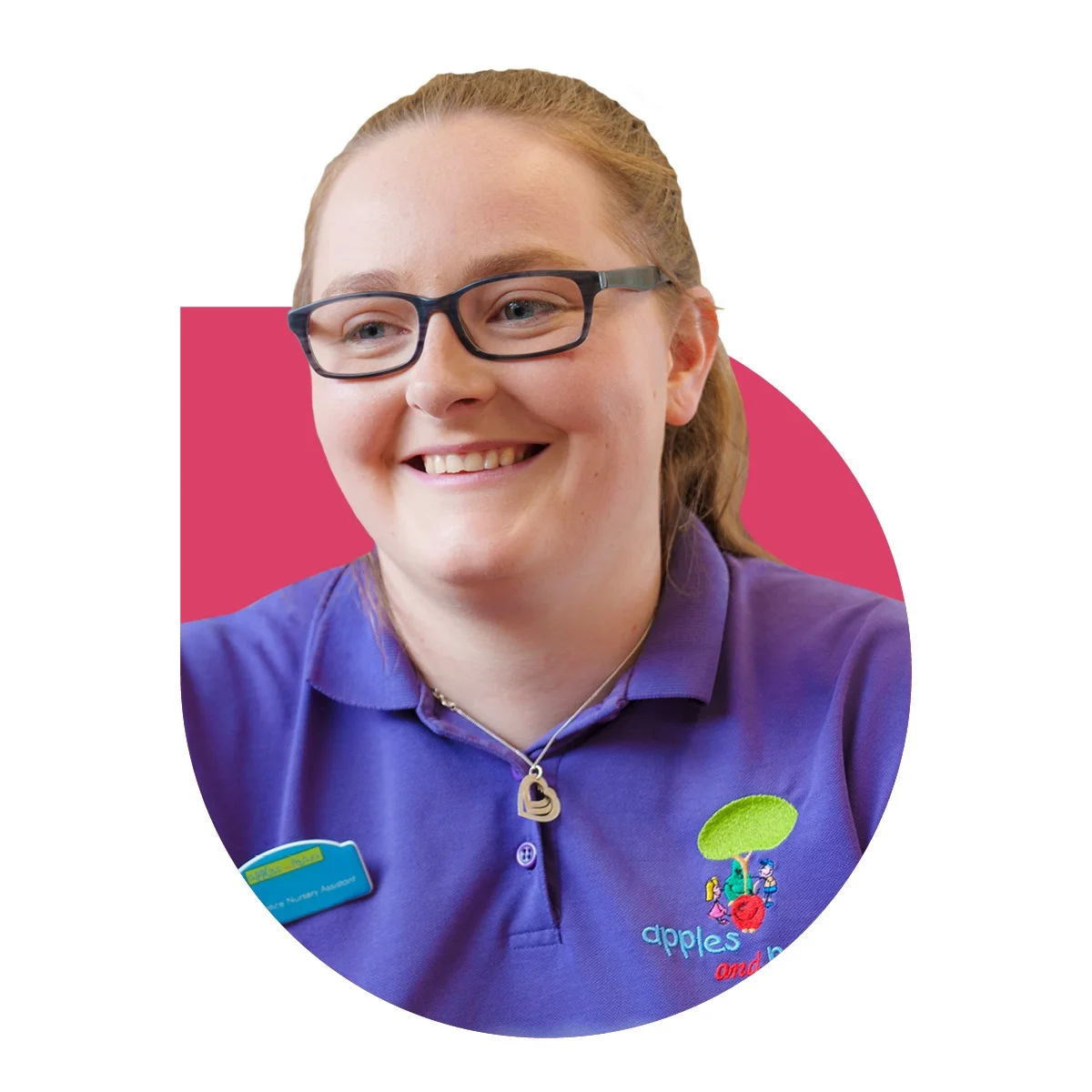
Apprenticeship training we offer for Early Years
Customised training available
We work with you to tailor delivery and align to your business needs.
Funded training built around your setting
Develop qualified practitioners with hands-on experience
Early Years apprenticeships give settings a practical way to grow a skilled, confident workforce. By developing staff in house, employers can strengthen retention, build consistent EYFS practice and gain qualified practitioners with full licence to practise – while apprentices gain real experience from day 1.
Consistent practice and quality of care
Through training aligned to real roles, routines and requirements in your setting.
Reduce recruitment pressures
By recruiting entry level staff with training that meets your needs from the get-go.
Improve long-term staffing
With cost‑effective career progression that turns team members into practice leaders.
Improve quality of care
Through up‑to‑date practice, safeguarding measures and legal obligations in a constanty evolving world.
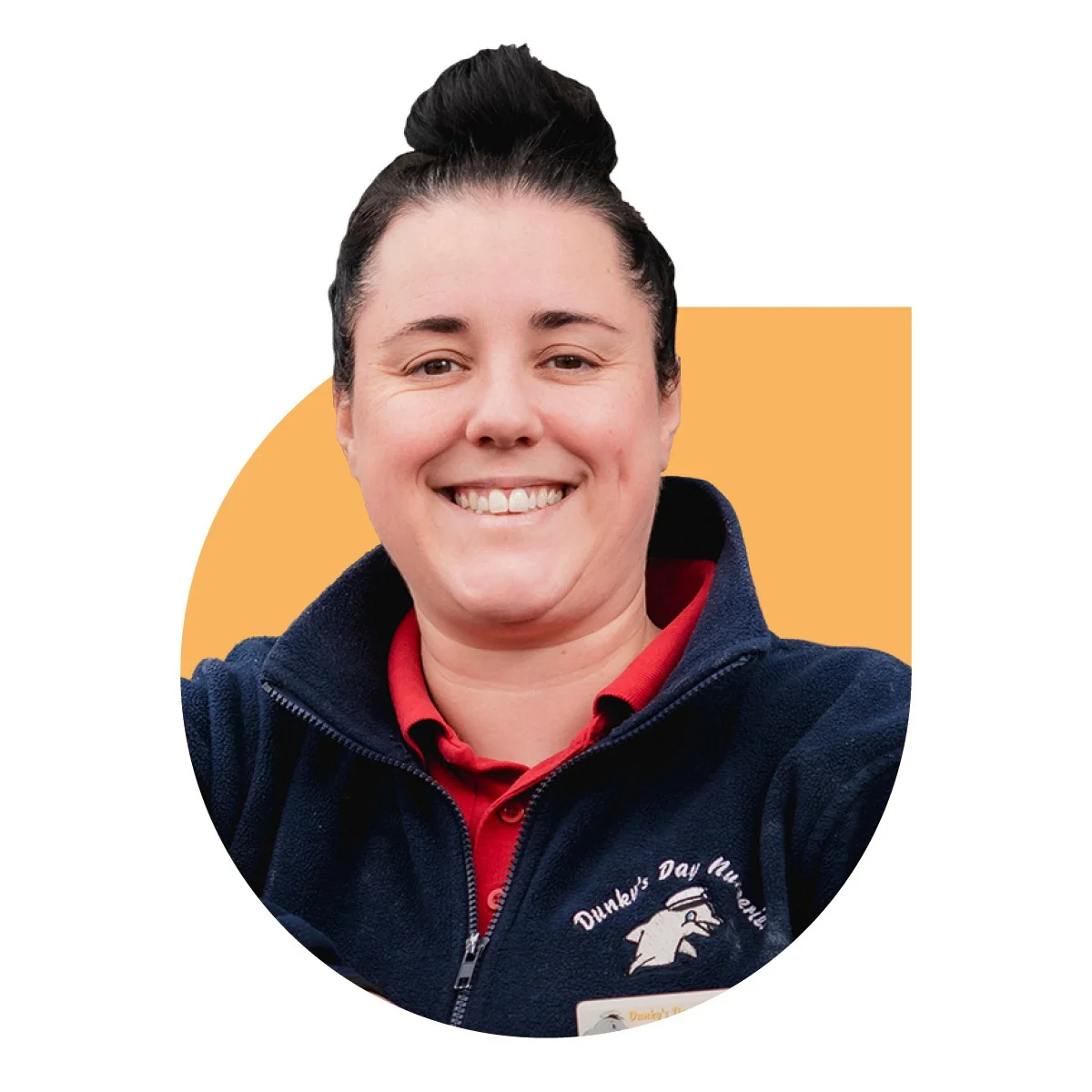
I would describe Total People as amazing, welcoming and supportive.
Faye, Early Years Apprentice
The learning experience
Gain hands on experience supporting children’s learning, development and wellbeing.

Industry expert coaches

Flexible webinar delivery

Individual coaching and mentoring sessions





Discover how we're achieving success



Success with Total People
83%
Satisfaction with learner impact
87%
Overall learner satisfaction
92%
Overall employer satisfaction
Frequently asked questions
These apprenticeships are ideal for individuals who:
- Have a genuine passion for working with children.
- Are patient, caring, and have good communication skills.
- Are over 16 years old (some employers may prefer candidates who are 18 or older).
- Want to gain practical experience while studying.
- Don’t want to follow the traditional university route.
- May already be working in childcare and want to formalise their qualifications.
There are several benefits to choosing a childcare apprenticeship, including:
- Earning while learning: While gaining valuable experience and qualifications, you’ll also be paid a wage.
- On-the-job training: You'll work alongside experienced professionals, developing practical skills for real-life scenarios.
- Industry-recognised qualifications: Achieving a childcare qualification can lead to more career opportunities and progression.
- No tuition fees: Apprenticeships are funded, meaning you won’t have to worry about paying for courses.
- Career progression: Childcare apprenticeships can lead to further qualifications and specialised roles within the sector such as manager.
At different apprenticeship levels, you can earn the following:
- Level 2 Diploma for the Early Years Practitioner – for entry-level roles in childcare.
- Level 3 Early Years Educator – qualifies you to work unsupervised in childcare settings.
- Higher Apprenticeships (Level 4 and above) – for those wanting to move into senior or managerial roles within early years settings.
Typically, a Level 2 Childcare Apprenticeship takes around 12 to 18 months, while a Level 3 Apprenticeship takes approximately 18 to 24 months. Higher apprenticeships may take up to 2 years, depending on the level and part-time/full-time nature of the role.
Completing an apprenticeship in Early Years can open the door to various careers, including:
- Nursery assistant/nursery practitioner
- Early years educator
- Childminder
- Teaching assistant
- Supervisor in a childcare setting
- Early years centre manager (with further training)
- SEN (Special Educational Needs) support worker
- Playgroup leader
As an apprentice, you’ll be involved in a variety of tasks, including:
- Supporting children’s learning and development through play and structured activities.
- Ensuring the health, safety, and well-being of the children in your care.
- Building positive relationships with children, parents, and colleagues.
- Observing children’s progress and contributing to assessments.
- Helping with daily routines such as meal times, nap times, and hygiene practices.
- Engaging in team activities, planning, and setting up activities for children.
- Completing coursework and attending classroom sessions with your tutors.
Level 3 apprentices aged 17 and over who are working towards a Level 3 Early Years apprenticeship can be included in staff-to-child ratios at the level below their qualification, provided they are deemed competent and responsible, hold a valid Paediatric First Aid (PFA) qualification and have achieved GCSE English at grade 4 (C) or above, or a Level 2 Functional Skills English qualification. This requirement was introduced in the EYFS statutory framework updated in January 2024. Once an apprentice successfully completes their Level 3 apprenticeship and end-point assessment, they can count as a qualified Level 3 early years educator in your ratios.
Yes. Since September 2025, the EYFS statutory framework requires apprentices to hold a valid PFA qualification to progress to end-point assessment (EPA). Once they have successfully completed their apprenticeship and EPA, they can count as a qualified Level 3 Early Years Educator in staff ratios. Arranging this is the employer's responsibility.
Yes. An enhanced DBS check is a statutory requirement under the EYFS framework for anyone working with children in an early years setting. You must arrange this before your apprentice begins any unsupervised work. Individuals cannot apply for an enhanced DBS check themselves; it must be requested through your organisation or an umbrella body.
For non-levy employers, apprentices aged 16 to 24 are already fully funded by the government at no cost to you. For apprentices aged 25 and over, the government funds 95% of training costs and you contribute the remaining 5%. You remain responsible for wages and employment costs in all cases.
The Level 3 Early Years Educator apprenticeship typically takes 18 months to complete. From 1 November 2026, assessment is integrated into the apprenticeship rather than being a separate end-point assessment period after gateway, meaning the full apprenticeship, including assessment, is designed around the 18-month typical duration.
Yes. Successful completion of the Level 3 Early Years Educator apprenticeship results in the practitioner holding a full and relevant Level 3 qualification, which means they can be counted in your Level 3 staff-to-child ratios and work unsupervised within the setting. They must also hold a Level 2 English qualification to count in ratios at Level 3.
Yes. The Level 3 Early Years Educator standard was updated in June 2025 in line with the revised DfE Early Years Educator criteria, and reflects the requirements of the EYFS statutory framework. Safeguarding, inclusive practice, child development, and observation and assessment are all covered throughout the programme.
Yes. Inclusive practice is a core part of the Level 3 Early Years Educator standard. Apprentices develop practical skills in adapting activities and environments to meet individual needs, contributing to EHC plans, and working alongside SENCOs and external professionals. In the early stages of their programme, apprentices should work under appropriate supervision, with responsibility increasing as their competence is evidenced.
Yes. We work with both independent nurseries and multi-site nursery groups. For groups, programmes can be coordinated across locations to create consistent development pathways, and levy-paying organisations can manage funding for all sites through a single apprenticeship service account.
Are you an individual?
Become an apprentice
If you're an individual interested in starting an apprenticeship, take a look at our current vacancies.
Are you a business?
Contact us today or give us a call
03333 222 666Get in touch
Please complete this form and we'll get back to you.