Who will keep Britain’s infrastructure running?
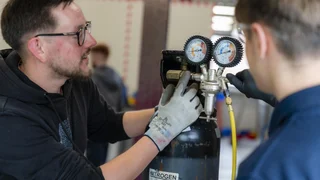
From transport networks, haulage fleets and logistics operations to manufacturing facilities, construction projects and commercial buildings, skilled tradespeople play a vital role in keeping Britain's infrastructure running. As experienced workers approach retirement and skills shortages continue to affect key industries, employers are facing an increasingly important question: who will take their place?
Across sectors such as engineering, construction, logistics and fleet maintenance, businesses are finding it more difficult to recruit experienced workers. Demand for skilled trades roles remains high, while employers continue to report challenges in attracting and retaining talent.
As a result, workforce planning is becoming a business priority, with more organisations looking at how they can develop the skilled workforce needed to support future growth.
The challenge of an ageing workforce
Many organisations rely on the knowledge and expertise of long-serving employees who have developed valuable technical skills over many years. While this experience is an asset, it can also create challenges when businesses do not have a clear pipeline of future talent.
As experienced workers move into retirement, businesses risk losing not only practical skills but also industry knowledge, problem-solving expertise and mentoring capability. For employers operating in sectors where safety, compliance and technical competence are critical, ensuring this knowledge is passed on to the next generation is essential.
Building skills for the future
Recruitment alone is not always enough to address workforce challenges. In highly specialised sectors, the number of qualified candidates available can be limited, while competition for talent remains high.
Many employers are therefore choosing to invest in developing skills internally. By creating structured pathways for new entrants and existing employees, organisations can strengthen workforce resilience while preparing for future growth.
This approach helps businesses reduce skills gaps, improve succession planning and develop employees who understand their organisation's values, processes and standards from day one.
Why apprenticeships matter
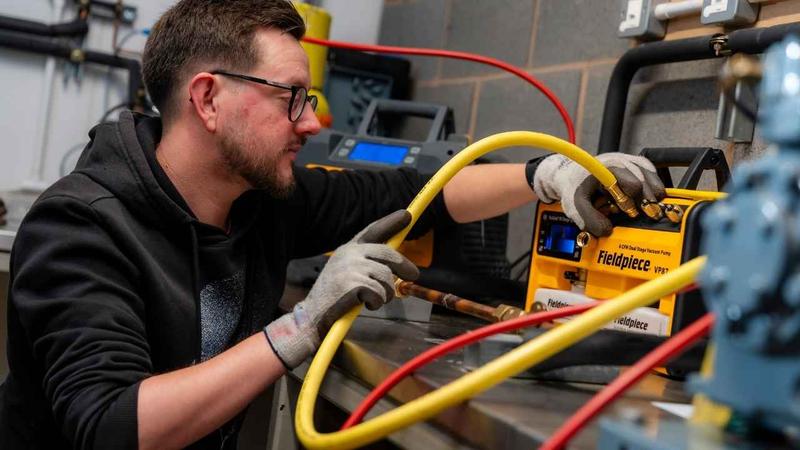
Apprenticeships provide a practical way to develop future talent while supporting long-term business goals. By combining on-the-job experience with structured training, they help individuals develop the knowledge, skills and behaviours needed to succeed in skilled trades roles.
For employers, apprenticeships offer a sustainable way to address skills shortages, strengthen succession planning and build capability from within. Whether recruiting new entrants to the industry or upskilling existing employees, apprenticeships can help organisations develop a skilled workforce that is equipped to support future growth and meet changing business demands.
Preparing for tomorrow, today
The need for skilled workers across the trades sector is unlikely to disappear anytime soon. Employers that take a proactive approach to workforce development today will be better positioned to overcome future challenges and maintain business performance.
By investing in people, businesses can protect valuable knowledge, strengthen their workforce and help ensure the next generation of skilled professionals is ready to keep Britain's infrastructure running for years to come.
Find out more
Total People offers apprenticeships across Engineering, Fleet Maintenance, Refrigeration and Air Conditioning and Scaffolding to help employers develop future talent, address skills shortages and build a workforce ready for the future. Discover how our sector-specific apprenticeship programmes can support your workforce development goals.
Grow your business with apprenticeships
Expert support with recruitment, funding advice, and upskilling your workforce.
Employer Hub